中文
From October 28 to 31, 2025, the annual iGEM (International Genetically Engineered Machine) Jamboree was held in Paris, France, bringing together student teams from around the world to share innovative research in synthetic biology.

This year, 11 students from Beijing Haidian Kaiwen Academy participated in the global competition.
Eight students—Yigao Zou, Siyi Zhang, Lechuan Wang, Yu Zhang, Ziyang Chen, Pinqiu Zhou, Murou Kang, and Tianyao Wei—formed the official Haidian Kaiwen iGEM School Team. Three additional students—Yiran Huo, Yuman Zhang, and Daoyang Zhang—joined different international collaborative teams.
In late October, Siyi Zhang, Yigao Zou, Pinqiu Zhou, and Ziyang Chen traveled to Paris to represent the Haidian Kaiwen school team. Competing alongside 143 high school teams from around the world, the team earned the 2025 iGEM Global Silver Award.
At the same time, Daoyang Zhang’s team also received a Global Silver Award, while teams including Yiran Huo and Yuman Zhang earned Global Gold Awards—a strong collective achievement for Kaiwen students across multiple teams.
Founded in 2003 by the Massachusetts Institute of Technology (MIT), iGEM is one of the world’s most respected competitions in synthetic biology. Open to high school, undergraduate, and graduate students globally, the competition challenges participants to design original synthetic biology solutions to real-world problems.
Projects require students to integrate knowledge from biology, statistics, mathematics, computer science, business, and social impact, and to present their work through laboratory research, documentation, public education, and formal evaluation.
This marked the second year that students from Haidian Kaiwen Academy have taken part in iGEM.
Last year, seven Kaiwen high school students joined external teams and earned one Global Gold Award, one Global Silver Award, and a special award nomination.
This year, however, the students took a meaningful step forward—forming their own school-based iGEM team.
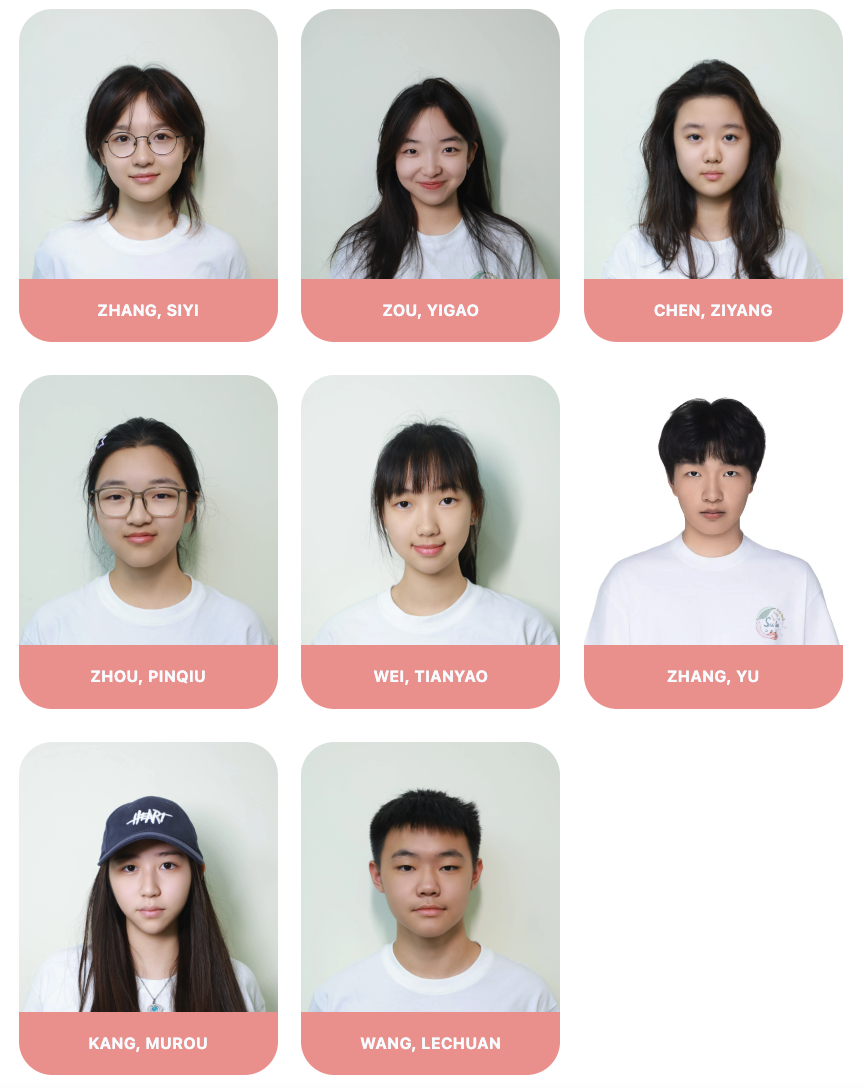
With just eight members, the Haidian Kaiwen iGEM School Team was smaller than many international teams. Yet over the course of ten months, the students worked with remarkable focus and persistence.
From late 2024 onward, they moved through every stage of a full research and innovation cycle:
conducting social research, defining a research question, entering the laboratory for experimentation, carrying out market analysis and financial modeling, developing a product concept, and ultimately presenting their work on the global stage.
Through this sustained, interdisciplinary process, students not only gained new knowledge and skills, but also explored their academic interests in depth—growing into multi-dimensional problem solvers.
For their project, the Haidian Kaiwen iGEM team chose a topic closely connected to everyday life:
using a dual-substrate microbial system to synthesize erythritol, a healthier sugar substitute.
By applying molecular biology techniques, the team aimed to improve the production efficiency of erythritol—a natural sweetener known for its low calorie content and high stability—while making the production process safer, greener, and more sustainable.
The idea emerged from students’ own observations. In recent years, reducing sugar intake has become a growing concern—whether for health management, diabetes prevention, or overall well-being.
“When I buy drinks, I often see options labeled ‘zero sugar’ or ‘zero calories,’” shared Pinqiu Zhou.
“That made me curious—and a little skeptical—about sugar substitutes, and I wanted to understand how they really work.”
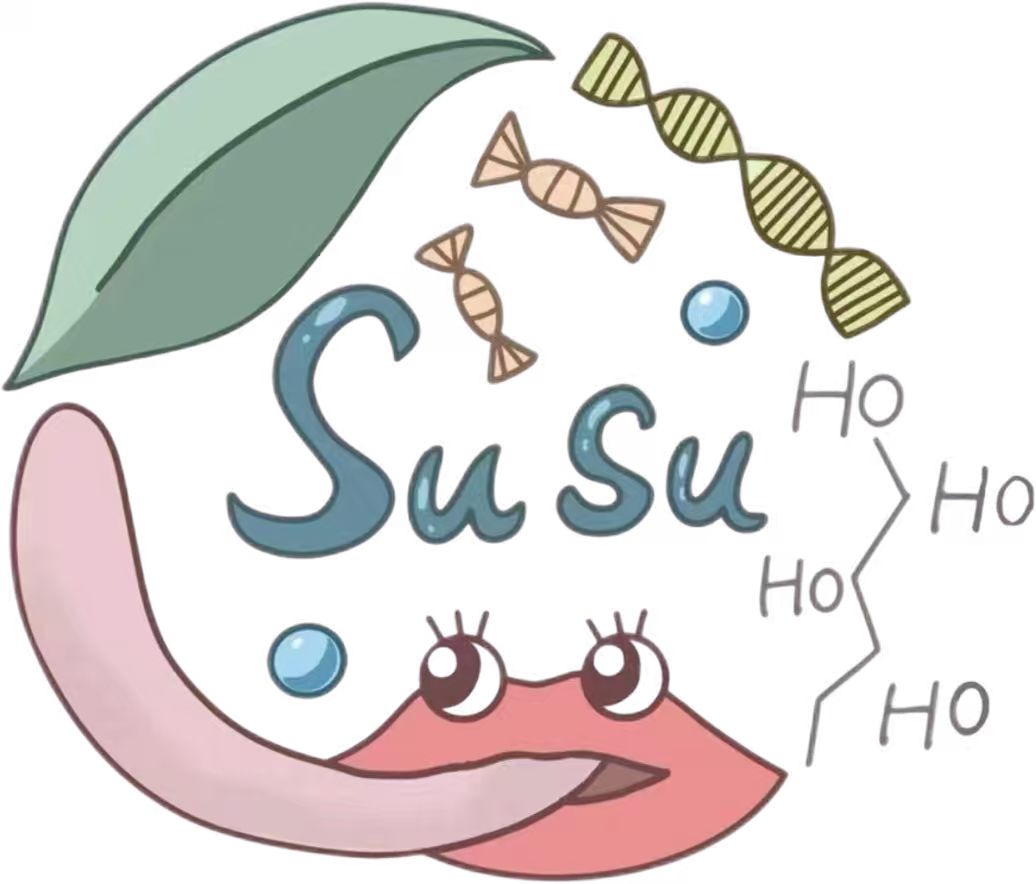
After several discussions, the team decided to focus on sugar substitutes and named themselves “SuSu,” short for sugar substitute. Through extensive literature review and survey research, they ultimately narrowed their focus to erythritol.
Their research showed that global demand for erythritol has increased rapidly in recent years, driven by health-conscious consumers and rising rates of diabetes. It is now widely used in beverages, baked goods, confectionery, dairy products, and nutritional supplements.
However, existing production methods generate significant byproducts. This led the team to ask a critical question: Is it possible to produce erythritol in a way that is both environmentally sustainable and industrially safe?
With guidance from mentors and experts, the students entered the laboratory to explore this question more deeply.
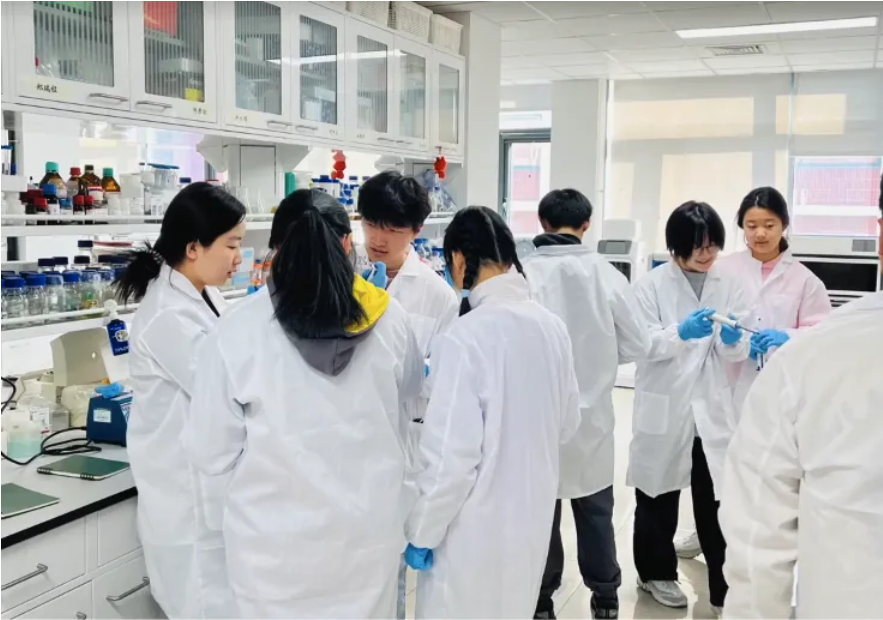
Within the project, students divided into two sub-teams:
– The Dry Team focused on social research, market analysis, product design, business planning, and outreach.
– The Wet Team concentrated on laboratory experimentation, refining protocols through repeated trials.
Although responsibilities were clearly divided, all eight students remained highly involved across stages, ensuring shared understanding and close collaboration throughout the project.
Over the ten-month project, challenges were constant.
In the lab, even a small mistake could require restarting an entire experiment. During public education activities, students learned that communicating scientific ideas clearly requires skill, patience, and adaptability. Writing reports and building the project wiki placed heavy demands on a small team, requiring each member to take on significant responsibility.
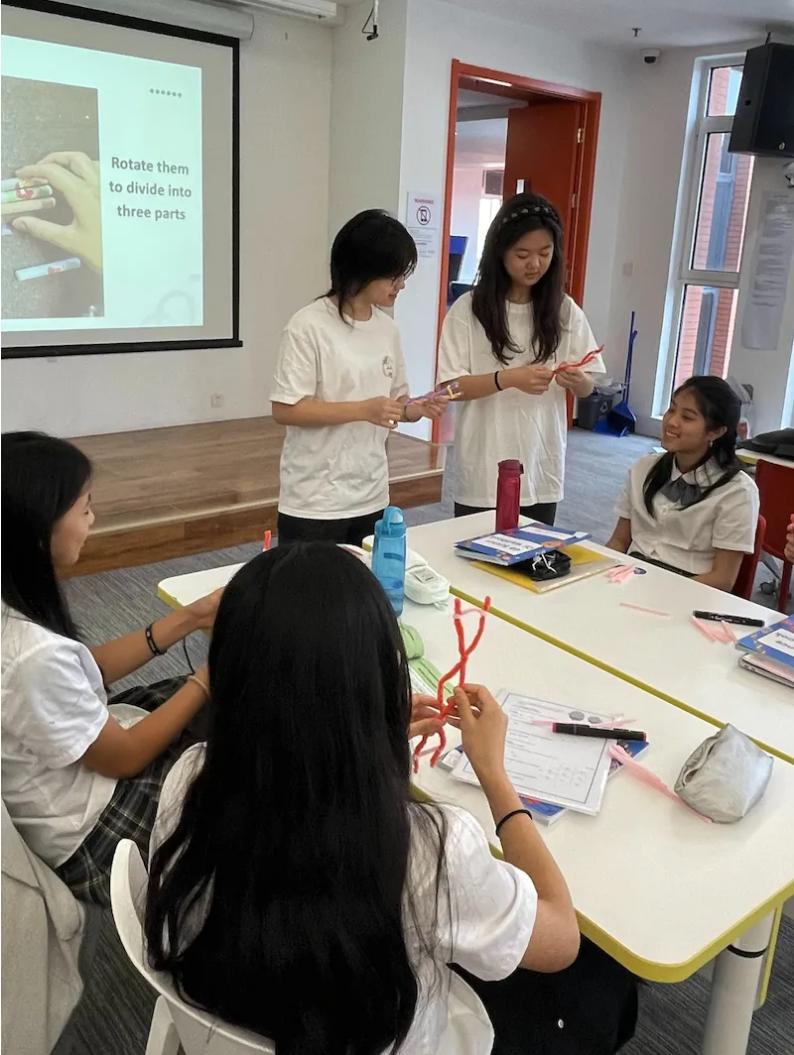
When the team arrived in Paris, they faced another challenge: explaining a complex project clearly and confidently to judges and peers from around the world.
Yet it was through these challenges that the most meaningful learning occurred.
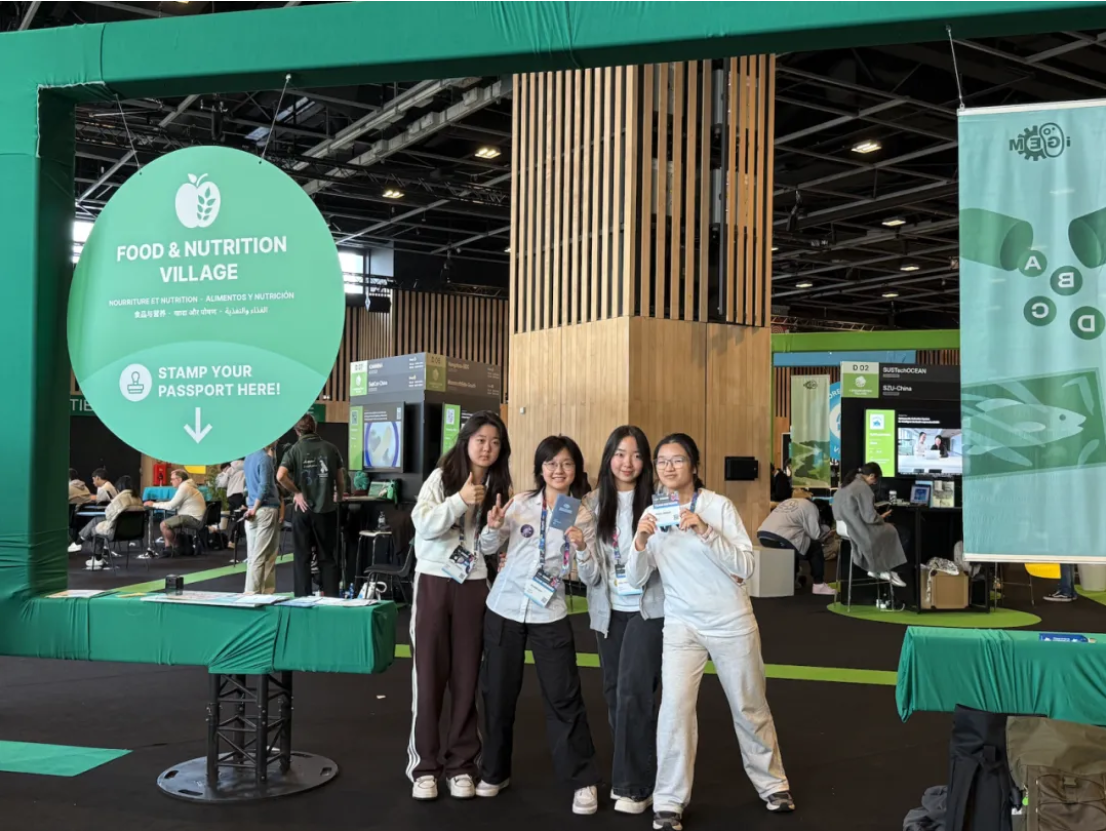
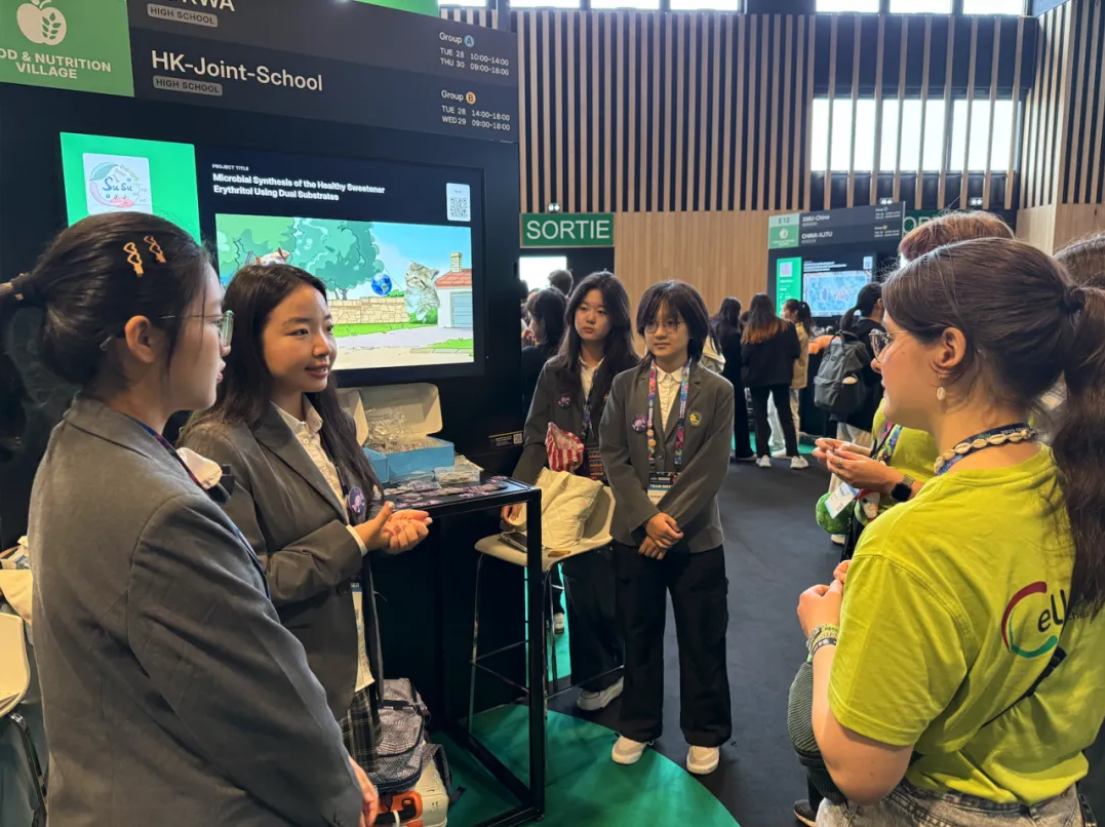
Pinqiu Zhou:
“There were so many challenges. In the lab, the answer never just appears—you have to keep trying, asking, and thinking. In Paris, the biggest challenge for me was explaining our project clearly and confidently to people I had never met.”
Ziyang Chen:
“Experimental failure is part of the process. When PCR or sequencing didn’t work, we had to redo everything. Another challenge was figuring out how to clearly explain our project on the wiki.”
Siyi Zhang:
“As a small team, everyone carried a lot of responsibility. That required constant communication and coordination, especially when dividing tasks fairly.”
Pinqiu Zhou:
“I discovered how fun research can be, and I learned how to adjust my mindset when things don’t go as planned. Seeing other teams’ creative ideas in Paris really expanded my perspective.”
Siyi Zhang:
“My leadership skills improved a lot. Introducing our project to other teams and receiving positive feedback was one of the most rewarding moments.”
Ziyang Chen:
“I grew significantly in English communication and public speaking. Presenting our work in Paris, after so much effort, was one of my proudest moments.”
– “Small but precise.”
– “Highly complementary.”
– “Positive, courageous, and innovative.”
Students consistently pointed to independent learning, public speaking opportunities, confidence-building experiences, and access to real platforms at Haidian Kaiwen Academy.
“Coming to Kaiwen showed me how many possibilities are out there,” said Pinqiu Zhou.
“Even though I was extremely nervous in Paris—probably the most nervous I’ve ever been—I was able to stand there and do it.”
From Beijing to Paris, this iGEM journey was about far more than awards. It was about curiosity turning into research. About persistence in the face of uncertainty. About learning to speak, lead, collaborate, and believe in oneself.
At Beijing Haidian Kaiwen Academy, experiences like this reflect a broader commitment to interdisciplinary learning, real-world problem solving, and student growth beyond the classroom.
And for these students, this journey is only the beginning.
 8610 - 8302 8588
 Principals.Office@hd.kaiwenacademy.cn
 No.65, Xingshikou Road, Haidian District, Beijing